







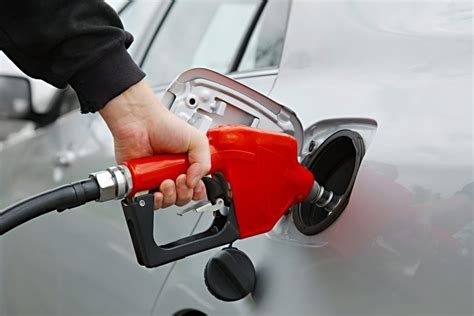
Prime Minister Gaston Browne is expected to approach commercial banks to seek a temporary reduction in card-processing fees charged to service station operators as the Government considers measures to ease the growing financial pressure facing fuel dealers.
The proposal would see fees charged on debit and credit card purchases reduced from approximately 3.5 per cent to 1 per cent during the current period of higher fuel prices.
Director General of Communications Maurice Merchant said the proposal emerged from discussions involving Prime Minister Browne, seven service station operators and several fuel haulers, following action by a number of service stations which temporarily stopped selling fuel.
The operators later agreed to reopen after receiving assurances from the Government that their concerns would be carefully considered.
Their action followed increases in the retail prices of gasoline and diesel, which took effect on September 1. The Government has said it absorbed rising international petroleum costs for several months in an effort to shield consumers from the full impact of higher prices.
Browne subsequently told Cabinet that he considered the concerns raised by service station operators to be reasonable and believed that the Government and dealers should work together to identify measures that could provide meaningful relief.
One of the major concerns raised by the operators is the growing number of motorists using debit and credit cards to purchase fuel. Dealers say the fees deducted by banks and card-processing companies significantly reduce the already limited profit earned from each sale.
Operators have also pointed to rising labour and other operational expenses. While welcoming the Government’s recent increase in the national minimum wage, they said the resulting adjustments across their businesses have added to their operating costs and further affected profitability.
Prime Minister Browne is expected to engage the country’s commercial banks and the West Indies Oil Company in discussions aimed at securing a temporary reduction in card-processing fees.
Cabinet believes such a measure could provide immediate financial relief to service station operators without passing the full burden of their financial challenges on to motorists.
Meanwhile, a special review committee is to examine whether the profit margin available to fuel dealers should be increased from the current 12 per cent to 15 per cent.
The committee will review the financial and operational circumstances affecting service stations, including card-processing charges, wages and other business expenses. It will also consider the need to protect consumers from unnecessary increases in fuel prices.
The review is expected to be completed within 90 days.
Merchant said the Government has consistently sought to keep fuel prices in Antigua and Barbuda competitive with those in other member states of the Eastern Caribbean Currency Union.
Before the latest adjustment, gasoline in Antigua and Barbuda was reportedly priced at EC$14.50 per imperial gallon, compared with an ECCU average of EC$17.66.
Following the September 1 increase, gasoline is now priced at EC$16.50 per imperial gallon. The Government maintains that the price remains among the lowest in the Eastern Caribbean Currency Union.